

- Immigration News & Updates
- 7 mins
President Trump signed two executive orders on birthright citizenship this week, five weeks after the Supreme Court struck down his first attempt. Here's exactly what each order covers, who it applies to, and what's actually true right now while the legal fight plays out.
A Second Attempt, Five Weeks After a Supreme Court Loss
On August 6, 2026, President Trump signed two executive orders addressing birthright citizenship. This is not his first attempt. A 2025 executive order sought to end automatic citizenship for children born to undocumented or temporary-status parents. That order was blocked repeatedly in lower courts, and on June 30, 2026, the Supreme Court struck it down in a 6-3 decision in Trump v. Barbara, reaffirming that birthright citizenship is constitutionally guaranteed.
This week's two orders are written more narrowly than the one the Court rejected. Instead of a broad reinterpretation of who qualifies for citizenship at birth, each targets specific, defined categories.
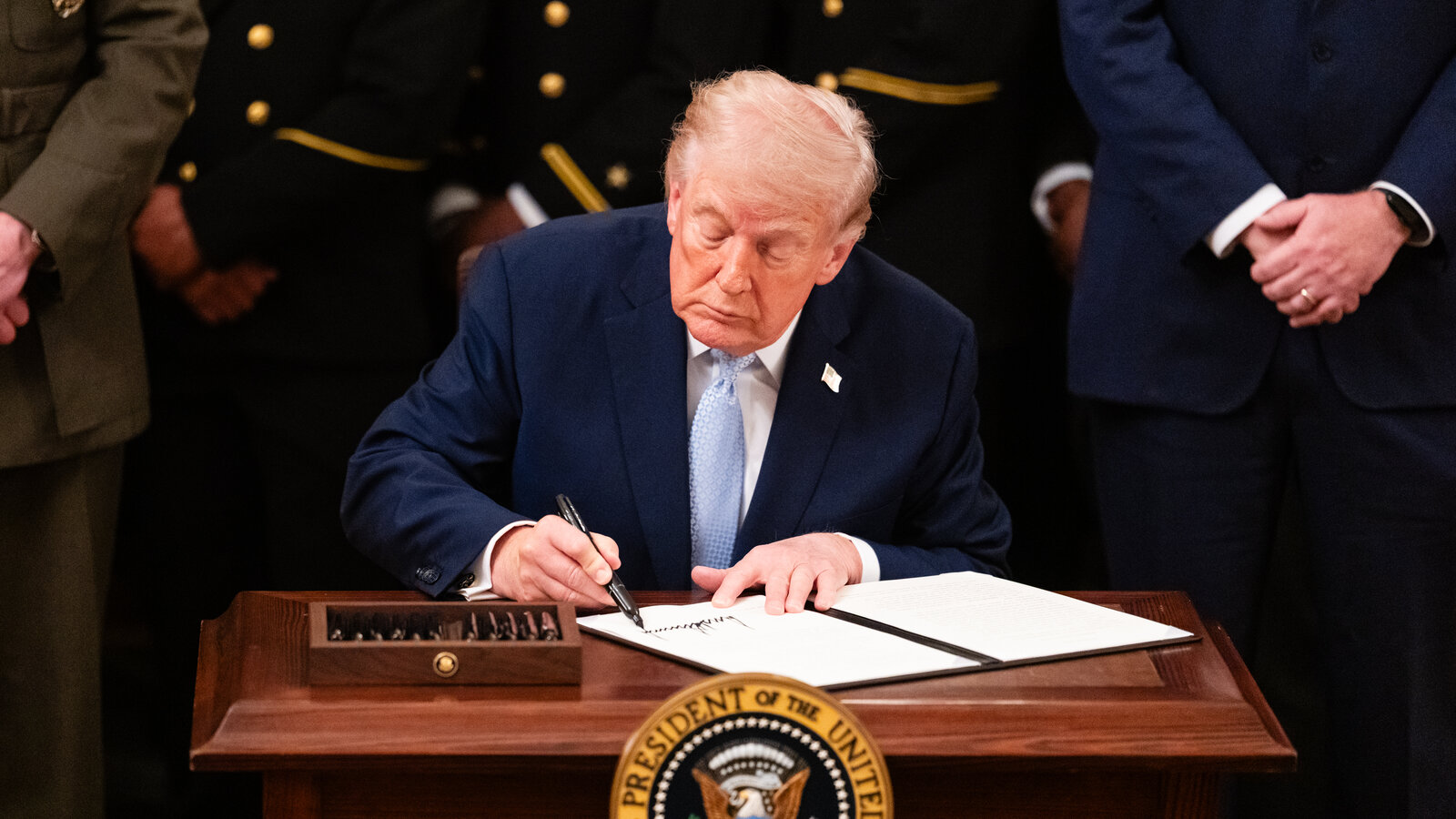
President Trump signed both executive orders on August 6, 2026.
What Each Order Actually Covers
Order one: "Continuing to Protect the Meaning and Value of American Citizenship." This order targets automatic citizenship for three specific categories of children born in the U.S.:
1. Children born to parents with connections to a foreign embassy, consulate, or foreign government organization
2. Children born to a parent classified as an "alien enemy" of the United States
3. Children whose parents are found to have "engaged in fraudulent activity to obtain citizenship"
That third category is the least defined of the three. The order does not spell out what qualifies as fraudulent activity, which means how it gets applied will likely depend on individual agency guidance and, eventually, case law. This is exactly the kind of open question a general news summary cannot answer for your specific situation, but an attorney can.
Order two: "Ending Birth Tourism." This order is narrower and more specific. It directs agencies to restrict and deny B-1/B-2 visitor visas to travelers suspected of coming to the U.S. specifically to give birth and secure citizenship for their child. It does not affect people already lawfully present on other visa categories, green card holders, or U.S. citizens.
Estimates of how common birth tourism actually is vary widely, from under 10,000 births a year to roughly 70,000, depending on the source. Either figure is a small share of the roughly 3.6 million babies born in the U.S. annually.
Which Agencies Are Involved
Four federal agencies have a role in carrying these orders out. The State Department handles visa screening and denials tied to the birth tourism order. The Department of Homeland Security oversees enforcement and admission decisions at the border and points of entry. USCIS is responsible for how citizenship and status determinations get processed for children affected by the first order. And the Social Security Administration would be involved in any case where a child's citizenship status affects eligibility for a Social Security number. As of this week, none of these agencies has published detailed implementation guidance, though the administration has released a fact sheet outlining its rationale.
The Legal Backdrop: the 14th Amendment
Birthright citizenship comes from the Citizenship Clause of the 14th Amendment, ratified in 1868:
"All persons born or naturalized in the United States, and subject to the jurisdiction thereof, are citizens of the United States and of the State wherein they reside."
This clause, and the Supreme Court precedent interpreting it, is the reason the 2025 executive order was struck down. The two new orders are written to target narrower categories in an apparent effort to survive the same constitutional scrutiny. Whether they succeed is an open legal question, not a settled one.
What's True Right Now, and What Isn't Yet
An executive order is not, by itself, a law that takes effect the moment it's signed. Given the track record on this exact issue, including multiple lawsuits, a certified nationwide class action, and a 6-3 Supreme Court loss for the administration's first attempt, legal challenges to both new orders are expected. Those challenges would likely include requests for temporary restraining orders or preliminary injunctions, the same tools that blocked the 2025 order before it ever took effect.
Here's the plain version: nothing has changed yet for the vast majority of families. No child's existing citizenship is affected. These orders describe future policy the administration intends to enforce, not a retroactive change to anyone's current status. Whether, when, and how they take effect will depend on court rulings that haven't happened yet. We'll share updates as the litigation develops.
What This Means for Your Family
Most families are not affected. These orders target specific, narrow categories. They do not change automatic citizenship for the vast majority of children born in the U.S.
Keep documentation current. If your family's situation could intersect with either order, make sure visa status, entry records, and any pending applications are accurate and well documented.
Talk to an attorney before assuming anything. The undefined terms in these orders, like "fraudulent activity," are exactly where individual legal advice matters most. A short consultation is the fastest way to get a real answer for your situation.
Have Questions About How This Affects Your Family?
A short conversation can answer questions no article can. Every case is different.
Schedule a consultation →Individual immigration cases depend on each person's specific circumstances and should be evaluated individually. This article is for educational purposes only and does not constitute legal advice.