

- Immigration News & Updates
- 4 mins
February 27, 2026 | Immigration Law Update
Florida has long been a destination for immigrants seeking education, stability, and opportunity. Recent legislation and new proposals are making that path more challenging, particularly for undocumented students and non-citizen college enrollees. At our firm, we want our clients and community to clearly understand what these changes mean and how they may affect your family’s future in Florida.
The End of In-State Tuition for DREAMers
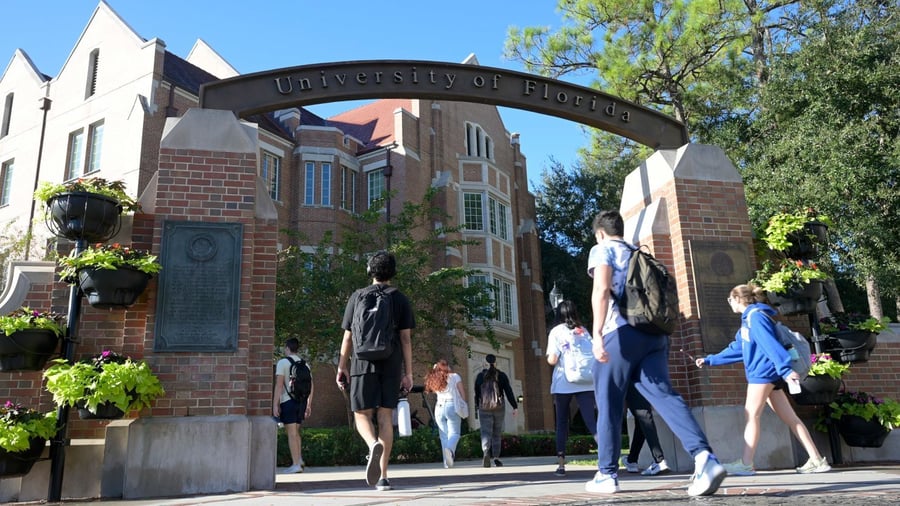
In 2025, during a special legislative session focused on immigration, Florida passed SB 2C. This bill repealed the state's 2014 bipartisan law that allowed undocumented students, often referred to as DREAMers, to qualify for in-state tuition at Florida colleges and universities. As a result, students who previously paid in-state rates are now required to pay significantly higher out-of-state tuition. For many families, that change has placed higher education financially out of reach.
2026 Legislation: Enrollment Caps and Proposed Restrictions
The 2026 Florida legislative session has introduced two major education bills, HB 1279 and its Senate counterpart SB 1052. These proposals would introduce additional restrictions.
Enrollment Caps at State Universities. HB 1279 would require Florida's 12 public state universities to cap enrollment of non-citizen, non-permanent-resident students from any single country to no more than five percent of all non-resident enrollees. This sweeping measure could significantly limit educational access for international and immigrant students.
Funding Penalties for Universities. Beginning in 2030, preeminent research universities that do not comply with these enrollment restrictions could lose access to additional state funding. Preeminent universities, defined by meeting twelve of thirteen academic and research benchmarks, currently receive up to ten million dollars in additional annual state funding. Four universities hold this designation for the 2025 to 2026 fiscal year.
Restricting Financial Aid for Immigrants. Both HB 1279 and SB 1052 also aim to restrict tuition assistance and financial aid for immigrant students, further compounding the financial barriers already created by SB 2C in 2025.
Banning GED and ESL Programs for Undocumented Adults. Lawmakers have also proposed preventing undocumented migrants from participating in certain state-funded adult general education programs, including GED preparation and English as a Second Language classes. These programs are often stepping stones toward employment and further education.
Recent Legislative Trends in Florida
These education proposals are part of a broader set of immigration-related bills introduced during the 2026 legislative session. Other measures address areas such as employment eligibility, transportation, and regulatory compliance. Over the past several years, Florida has steadily increased restrictions affecting both documented and undocumented immigrants.
Families who wish to monitor the progress of these bills can track updates directly through the Florida Legislature’s official website.
What This Means for Florida Immigrant Families
If you or a family member is undocumented, a DACA recipient, or a non-citizen student currently enrolled in or planning to attend a Florida college or university, these proposed changes are important to monitor.
Higher education costs: Costs have already increased following the repeal of in-state tuition eligibility for undocumented students.
University enrollment limits: Enrollment at Florida’s public universities may become more limited for certain non-citizen students if HB 1279 is enacted.
Financial aid access: Access to some state financial aid and workforce training programs could be restricted under pending legislation.
Adult education programs: GED preparation and English as a Second Language courses may become unavailable to undocumented individuals if proposed measures pass.
How Our Firm Can Help
Navigating changes in immigration law can feel overwhelming. Our immigration law firm is committed to helping you understand your rights and evaluate every legal option available to you. Whether you are pursuing lawful permanent residence, working toward citizenship, protecting a family member’s status, or seeking guidance on how new legislation may affect your plans, we are here to provide clear and informed counsel.
The laws may be changing, but your right to qualified legal counsel is not.
Schedule a consultation today to speak with the DeMine Immigration team and learn how we can support you and your family through your immigration journey.
Disclaimer: This blog post is intended for general informational purposes only and does not constitute legal advice. Laws and proposed legislation are subject to change. Please consult with a qualified immigration attorney for advice specific to your situation.